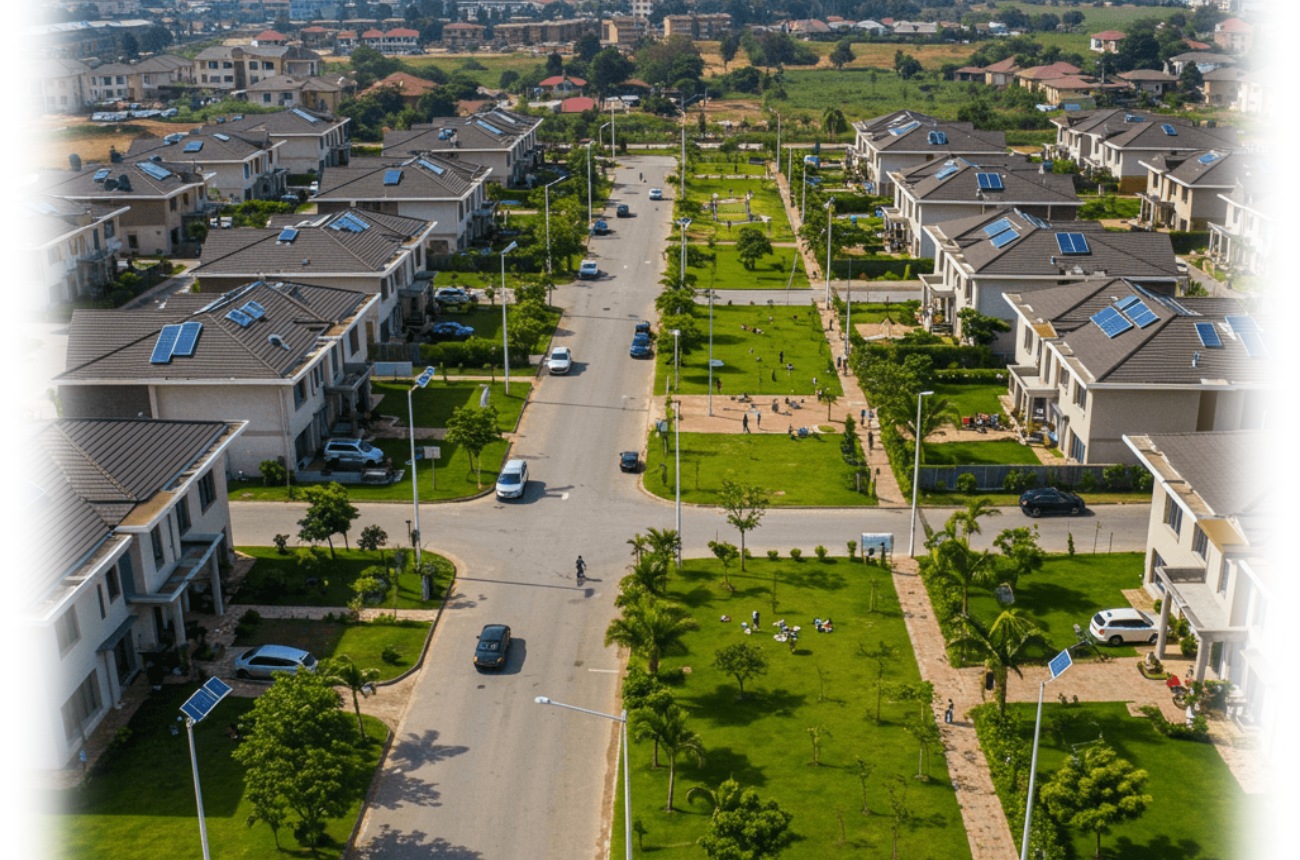
Abeokuta, the capital of Ogun State, is increasingly emerging as a viable destination for residential real estate investment, supported by rising housing demand, improving infrastructure, and growing interest from external buyers. This report presents a focused assessment of the city’s residential property market, with particular emphasis on for-sale housing developments. Based on field surveys, stakeholder interviews, and site observations, the study evaluates buyer preferences, viable housing products, pricing dynamics, and sales prospects to provide practical insights for developers and investors seeking to capitalize on Abeokuta’s evolving housing market.
Ownership Demand Outpaces Rental Appetite
One of the most notable insights from the study is the strong preference for home ownership over renting. A clear majority of surveyed respondents indicated a willingness to purchase homes rather than lease them. This trend reflects Abeokuta’s generally low rental yields, which limit the attractiveness of build-to-rent projects and instead favor build-for-sale development strategies.
3-Bedroom Terraces and Duplexes Lead Buyer Preferences
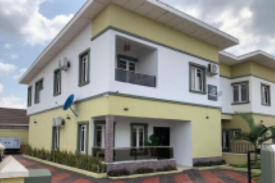
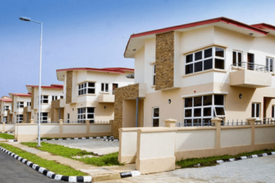
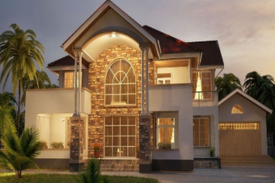
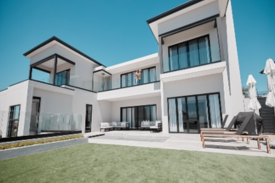
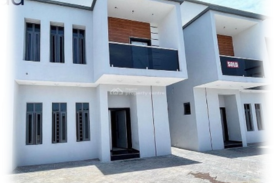
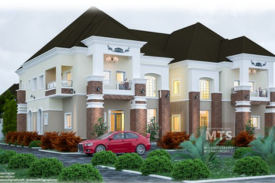
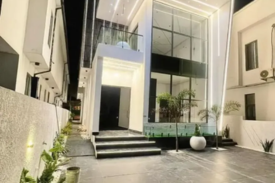
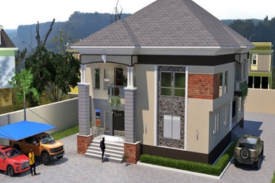
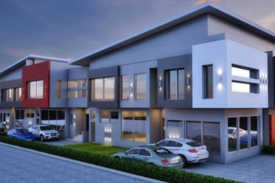
In terms of product type, the market consistently favors 3-bedroom terrace houses and duplex units, which strike a balance between affordability, functionality, and lifestyle appeal. These housing types are well-suited to families, professionals, and returnee buyers seeking modern homes within secure, well-planned estates. Limited 4-bedroom units were also identified as viable premium offerings for upper-income buyers.
External Buyers Drive Private Market Activity
The study finds that a significant share of demand for private housing developments in Abeokuta originates from outside the city, particularly from Lagos, Abuja, and the Nigerian diaspora. These buyers are typically professionals and investors attracted by Abeokuta’s lower entry prices compared to Lagos, improving infrastructure, and proximity to Lagos. In contrast, local residents—largely civil servants—tend to favor government-backed or subsidized housing schemes.
Pricing Dynamics and Future Value Growth
Current market evidence suggests that well-designed, serviced homes in Abeokuta’s mid- to upper-income segment command prices between ₦50 million and ₦80 million, depending on unit type, size, and finishing quality. Importantly, the report projects that, given inflationary pressures, rising construction costs, and steady demand growth, sale prices for premium 3-bedroom terraces and duplexes could reach ₦90 million to ₦120 million in the near term.
Off-Plan Sales Are Achievable
Encouragingly, the study confirms that off-plan sales are viable in Abeokuta, provided developers demonstrate credibility, maintain construction momentum, and deploy effective marketing—particularly to external and diaspora buyers. This presents an opportunity for developers to improve cash flow and reduce financing pressure during project execution.
A Market Positioned for Strategic For-Sale Development
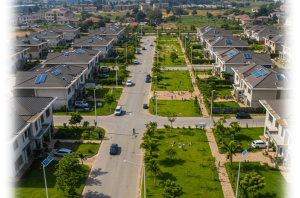
Overall, the Abeokuta housing market is evolving beyond its traditional perception as a low-cost alternative to Lagos. With rising demand from external buyers, improving infrastructure, and a clear preference for ownership-oriented housing, the city is well-positioned for strategic, mid- to upper-market for-sale residential developments. Developers who align product design, pricing, and marketing with these realities stand to unlock meaningful long-term value.